In shortThe dry season, January through March, is the best time to visit Cayo Icacos: the calmest crossing, the clearest water over the reef and the lowest sargassum of the year. By April you are already on the edge of the rainy season. The Atlantic hurricane season runs 1 June to 30 November and peaks on 10 September, which is when swell and weather cancellations cluster. Take a weekday and the earliest check-in on offer.
January–MarchDry season window
1 Jun – 30 NovAtlantic hurricane season
10 SeptemberPeak storm activity
2:00 p.m.Busiest hour on the cay
Cayo Icacos best time to visit
January, February and March. Puerto Rico's dry season starts in January and generally holds through March, according to the National Weather Service office in San Juan, and that stretch gives you the flattest water and the clearest reef for a boat day. The crossing from Fajardo covers 1.5 nautical miles to the northeast, 15 to 20 minutes, and in the dry season you barely feel it.
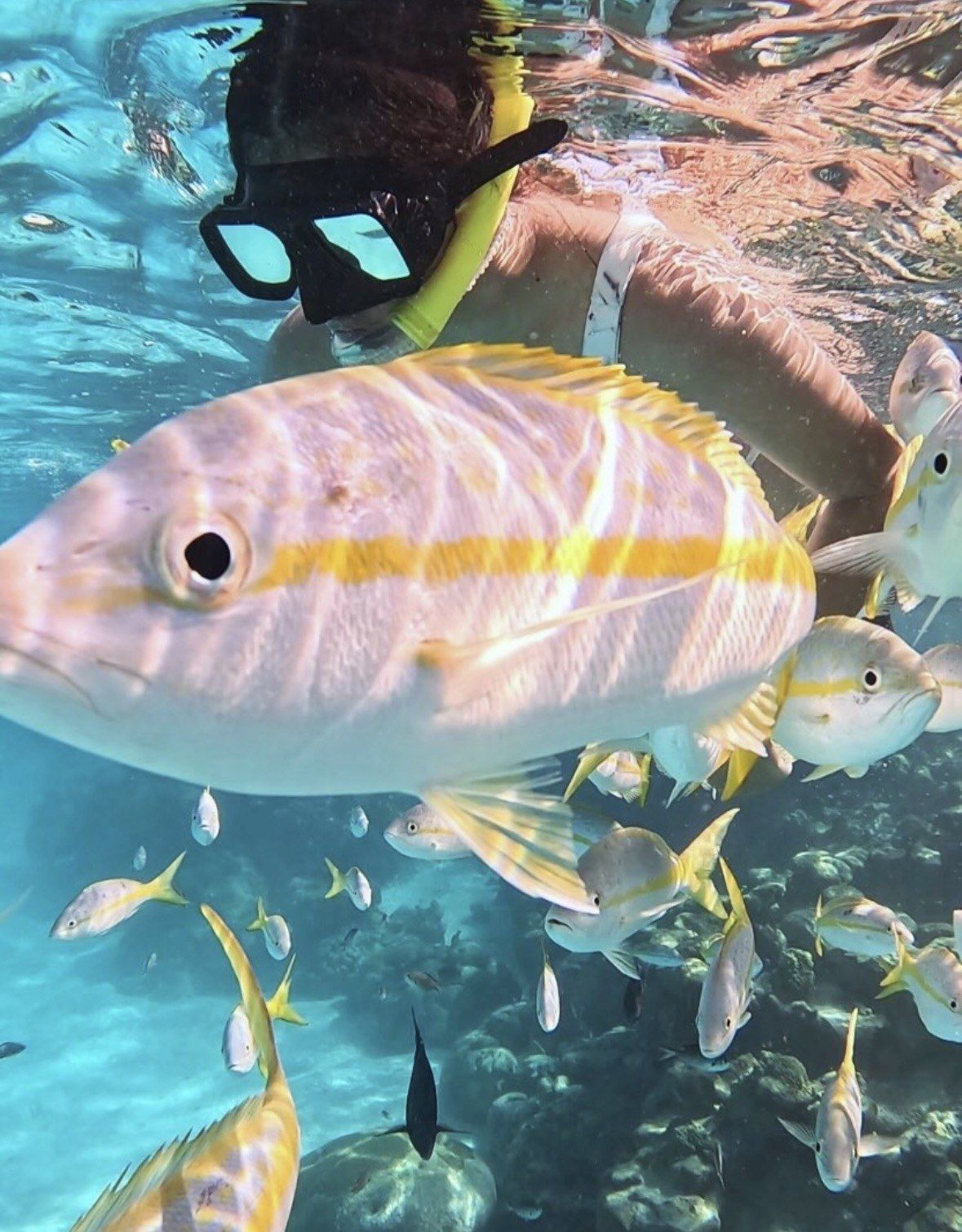
April sits on the hinge. The same NWS review marks it as the transition into the rainy season, so mornings still behave while afternoons turn less predictable. Visibility on the snorkel reefs, which sit in roughly 18 to 25 ft of water, still justifies the trip in April, and the Great Atlantic Sargassum Belt that feeds Caribbean beaches is only building through spring at that point.
The hurricane season that shapes the back half of the calendar opens on 1 June and closes on 30 November, and climatology puts the high point of storm activity on 10 September. Those are the months with the most swell and the most weather cancellations. If your dates fall there, go anyway, but hold a booking you can cancel and read the next day's forecast before you drive to the marina.
Dry-season day with lunch and a bathroom on board
A January to March date on this 5-hour cruise, from $138, puts you on the calmest crossing of the year with food, drinks and snorkel gear already settled, and a full refund up to 24 hours before departure if the forecast turns.
★ 4.8/5 · 2,587 reviews
Which is the best month to visit Cayo Icacos
Read the table by what you care about most. Flat water and a clear reef point to the first quarter; a quiet beach day still works in the rainy months, as long as your reservation refunds.
- Seabird breeding in the La Cordillera reserve runs March to September on the rocky islets around Icacos and Cayo Ratones; the draft management plan proposes closing cays that hold colonies during those months, which remains a proposal and not a current rule.
- Leatherback turtles nest from March to July in the US and the Caribbean.
- Hawksbill nesting in most places falls between April and November, and the most significant US hawksbill nesting happens in Puerto Rico and the US Virgin Islands.
- Green turtles start breeding in late spring, with females nesting about every two weeks over several months.
- Sand on the Icacos beaches shifts through the year with the littoral currents, so the strip has a different profile in February and in August.
| Months | Conditions | What to do about it |
|---|
| January to March | Driest stretch of the year and the flattest water for a boat day, with regional sargassum still at its winter minimum | The months to aim for. Fix the date, then reserve the departure that matches it |
|---|
| April | Transition into the rainy season, with sargassum building from spring into summer | Go on a weekday. DRNA counted about 1,275 users across its study zones at 3:00 p.m. on 1 April 2017 |
|---|
| May | Rainy season proper, with the sargassum build-up continuing | Fine for the beach. Check the forecast the night before, while the refund still stands |
|---|
| June and July | Hurricane season opens 1 June; the Atlantic sargassum belt typically peaks in June or July | Take the earliest check-in available, and keep the booking refundable |
|---|
| August to November | Inside the storm season, whose climatological high point falls on 10 September | Expect weather calls from the captain. Stay inside the 24-hour cancellation window |
|---|
| December | Sargassum at its lowest in winter, dry season approaching | Clear water. Book the date as soon as you have it |
|---|
Early departures get the flattest water
Morning is the better half of the day in any month you pick. The waters around the Icacos use zones are sheltered from wind and waves by the cays themselves, and it is the wind building through the afternoon that puts chop on the crossing and stirs sediment over the shallow reef south of the cay.
Crowding follows the same curve. DRNA's 2017 field study recorded its heaviest hour at 2:00 p.m., averaging about 598 people per hour across the study zones. For 2017 the department listed seven authorised catamaran operators with a combined maximum of 487 passengers a day, plus 18 authorised tour operators running to south Icacos from the Fajardo and Ceiba marinas, and most of that traffic lands in the middle of the day.
Check-in times are what you actually choose between. Earliest on the list is the 5.5-hour catamaran snorkelling tour with lunch, which opens check-in at 7:00 a.m. at Villa Marina, with the shuttle to the vessel stopping 15 minutes before departure; the 5-hour picnic cruise wants you at the Barefoot IV by 8:30 a.m. at the latest. Catamaran day trips generally leave around 9:00 a.m., and the return gets you back to the marina some time after 3:00 p.m. Departures move with sea conditions, so confirm yours the day before.
Weekdays beat weekends on the southwest sand
Take a Tuesday over a Sunday and the same 220-metre strip feels like a different beach. Sunday is where the counts spike: 964 people packed into the southwest bather zone at 2:00 p.m. on 28 May 2017, the heaviest single-zone figure in the DRNA survey. Across the reserve the cays draw something like 10,000 recreational boats a year, and a July 2005 survey counted around 300 vessels of 20 to 60 feet anchored inside it at one time.
Weekend traffic is also what the noise rules are now aimed at. DRNA Administrative Order 2025-02, signed 10 March 2025, bans high-volume sound systems on vehicles and boats in the reserves and beach zones the department administers, La Cordillera included, with administrative fines reaching $25,000 that can accumulate daily and Cuerpo de Vigilantes officers patrolling. Leave the speaker in the car.
Refund windows decide how early you can commit
The tours on this site all run on the same 24-hour rule: cancel at least 24 hours before the scheduled departure time and the whole fare comes back. That number is what matters when you are deciding when to book an Icacos boat trip in an unstable month: hold a date months out, then make the real decision the evening before with the forecast in front of you.
The captain makes the weather call, and between 1 June and 30 November he makes it more often. Reserving dry-season dates early costs you nothing in flexibility. For September dates, check what you can still cancel, and when, before you pay anything.
Pick a date, then pick a departure time
Work in that order. A weekday inside January to April, then the earliest check-in on offer, then the format: a catamaran if you want lunch, drinks and a bathroom handled, a straight crossing if the beach is the whole point. Icacos is uninhabited with no restrooms, no drinking water, no food service and no trash collection, so whatever you bring in the morning comes back with you in the afternoon.
Two sailings on this site fit the dry-season plan. Fajardo: Icacos Island Catamaran Snorkeling Tour with Lunch, 5.5 hours and from $130, rated 4.8 ★ (103 reviews), begins with a 7:00 a.m. check-in at Villa Marina. The fare covers a guide in person, a deli-style buffet with bean salad, a fruit platter and cookies, piña coladas, rum cola and rum punch, water, soft drinks and snorkel gear; beer and gratuities you settle yourself.
The Icacos Deserted Island Catamaran, Snorkel, and Picnic Cruise, 5 hours and from $138, rated 4.8 ★ (2587 reviews), wants you aboard by 8:30 a.m. and is the one with a bathroom on board. Price includes a sandwich buffet, bottled water, sodas, piña coladas and rum punch, snorkel gear and local taxes; towels and gratuities stay out, and a food allergy has to reach the operator at least 48 hours ahead. Reserve whichever matches the date and start time you have chosen.
Questions people ask
Is there a month when Cayo Icacos is closed to visitors?
No closed season is published for the cay itself. Under the reserve's management plan, public landing is allowed on Cayo Icacos, the beach of Lobos, Cayo Diablo and Palominitos, and camping and hunting are prohibited, so every visit is a same-day return whatever the month. The plan proposes closing cays with seabird colonies during the March to September breeding season, but that sits in the draft document and is not a rule in force.
How bad is sargassum at Icacos, and when?
No official local source publishes month-by-month seaweed conditions for Icacos. The regional pattern is documented: the Great Atlantic Sargassum Belt that feeds Caribbean beaches typically peaks in June or July and is lowest in winter, and beaching has happened in nearly every spring and summer since 2001. One more reason the January to March window reads better than midsummer.
What happens if the operator cancels for weather?
The captain makes that call, most often between 1 June and 30 November. When weather is the catamaran operator's reason for calling off a sailing, your money comes back whole. The tours here carry the 24-hour cancellation rule as well, so check the forecast the night before and cancel by then if it looks bad.
Does the beach itself change through the year?
Yes. Littoral currents move sand around the beaches of Icacos and Palominitos from season to season, so the strip you walk in February is not shaped like the one in August. DRNA's list of beaches reserved for bathers records Playa Cayo Icacos at 220 metres, and the management plan notes sand on both the south and the north coast of the cay.
Is the water calmer on one side of the cay?
The cays break the wind and waves themselves, which keeps the water inside the Icacos use zones calm and makes the 15 to 20 minute run from Fajardo comfortable in most conditions, dry season or not. Day visitors land on the southwest strip, mapped as Zone B in DRNA's 2017 study and set aside for bathers and water taxis. No lifeguard works the cay, so any swimming or snorkelling you do is at your own risk.
Read also