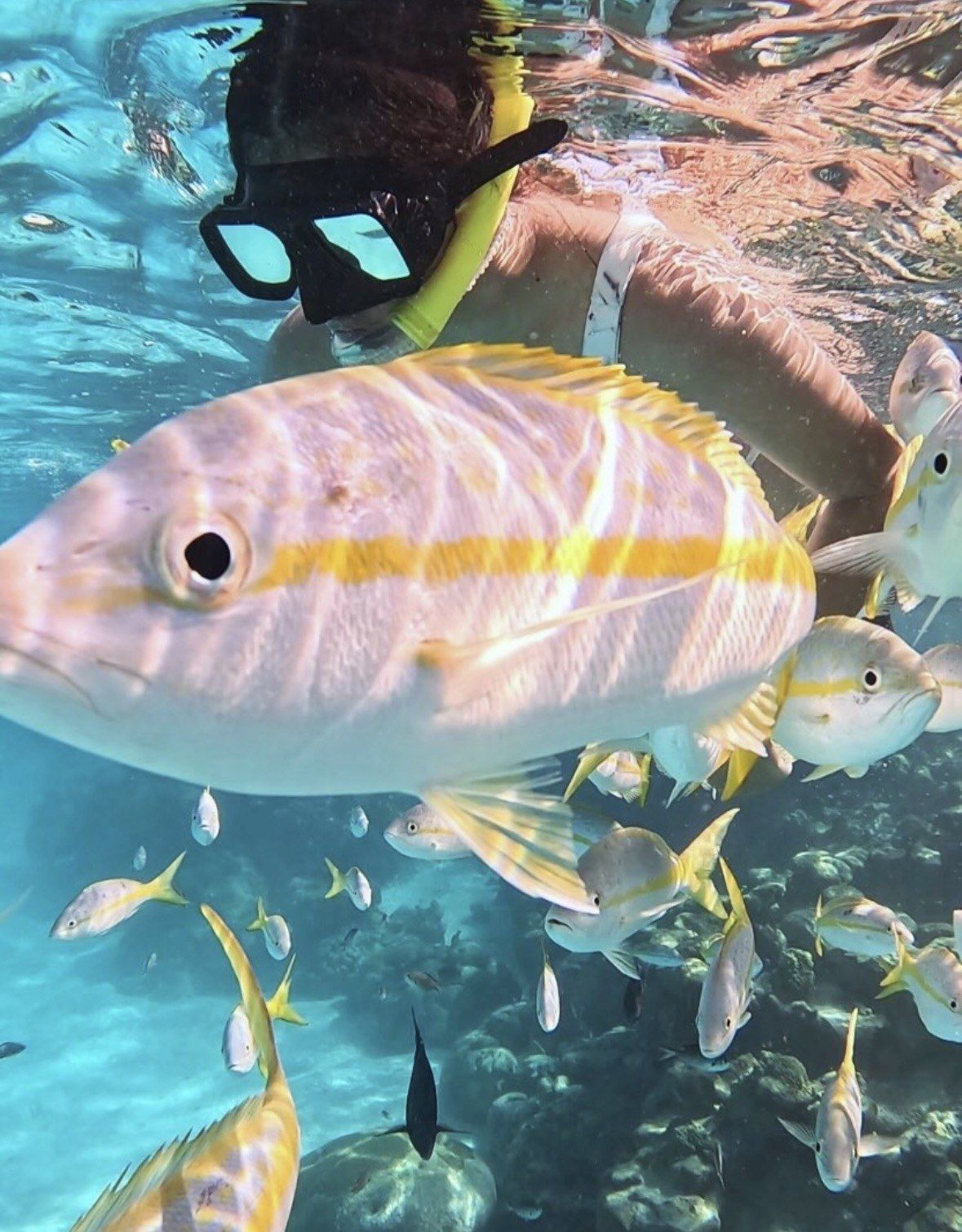
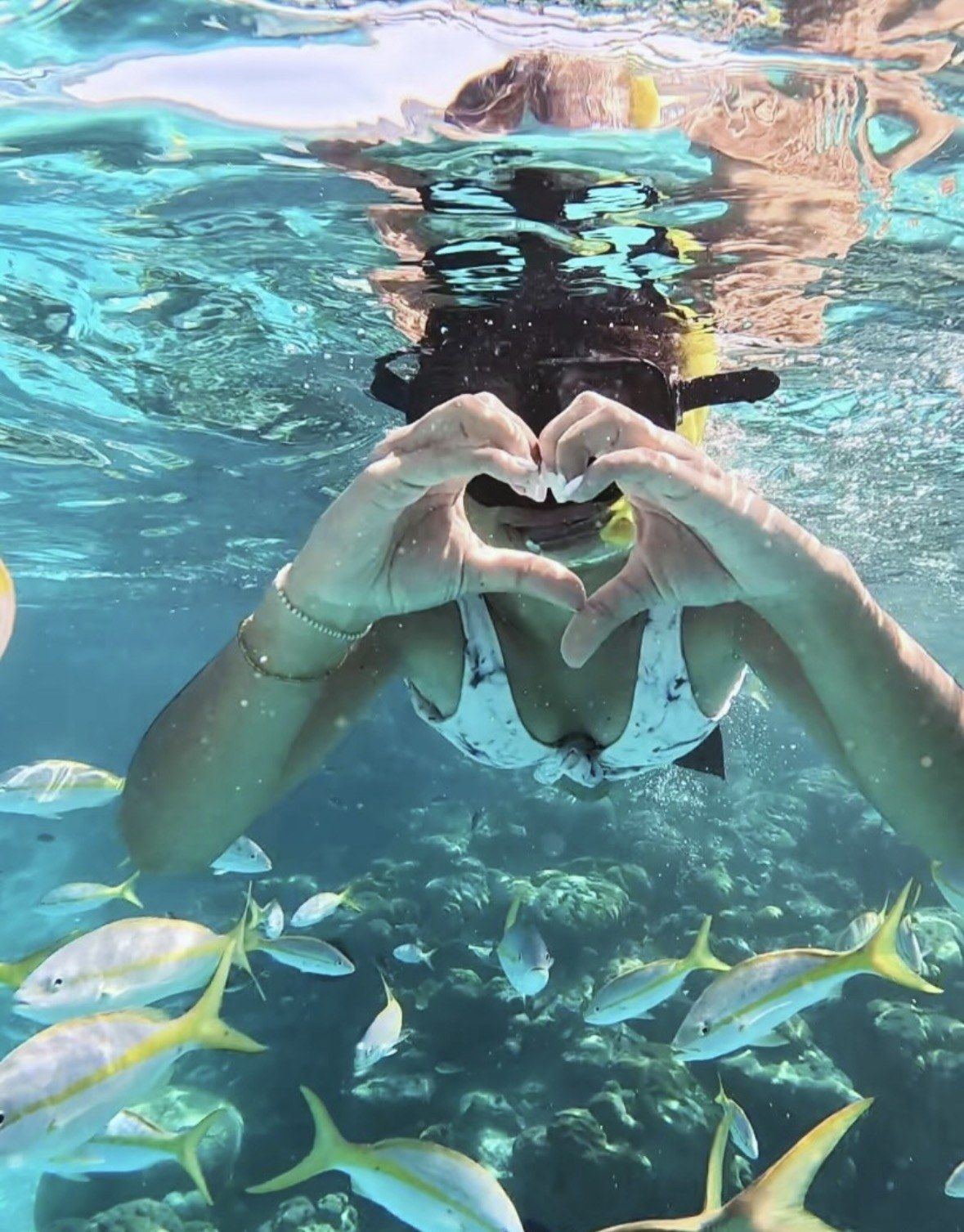
In shortThe Icacos island Puerto Rico beach is a 220-metre white-sand strip on the southwest side of the cay, which is also where water taxis land and where the calm swimming water sits: a shallow shelf of sand and seagrass, sheltered by the cays themselves. There is no shade, no lifeguard and no bin, so umbrellas come with you or with your booking, and everything you bring leaves with you.
220 mbeach on the DRNA bathers list
5 hoursa booked beach day ashore
from $100water-taxi beach day
2:00 p.m.busiest hour on the sand
The Icacos Island Puerto Rico beach, from the sand to the shelf
DRNA's list of beaches set aside for bathers records Playa Cayo Icacos at 220 metres. That is the beach: white sand on a cay of roughly 0.659 km² (0.254 sq mi), the largest uninhabited one in the La Cordillera chain, with palms and sea grape scrub behind the sand and rocky points closing each end. Nothing is built on it, which is the whole appeal and also the whole problem.
Walk in and the bottom stays shallow a long way out. The shelf is a mix of pale sand and darker patches of seagrass, which is why the water reads turquoise in some places and olive in others; the meadows are turtle grass and manatee grass, and endangered sea turtles graze them. Swim over the grass rather than standing on it.
Sand accumulation here shifts through the year with the littoral currents, so the beach profile you find is not necessarily the one in the photo that sold you the trip. Wide and flat one season, steeper and narrower another. The management plan also records sand on the north coast as well as the south, so the cay has more than one beach, just one landing.
Cayo Icacos white sand beach: the landing and the swimming water
The sand you will be sitting on is the southwest strip, labelled Zone B on the map DRNA drew up after its 2017 field study and set aside there for bathers and the water taxis that bring them. The swimming water is the same place: you step off the boat into knee-deep sand shallows and stay there. That compactness is convenient, and it is also why the middle of the strip fills up first.
The study splits the surrounding water into four use zones, and knowing them explains the traffic you see from your towel. Boats sit northwest in Zone A, bathers and water taxis southwest in Zone B, catamarans work the southern reef in Zone C, and the mooring buoys and their reef make up Zone D. DRNA describes the water around these zones as calm, sheltered from wind and waves by the cays themselves.
Shelter works in one direction. The zones are protected because the land and the neighbouring cays stand between them and the open water to the north and east, so the north-coast sand gets the wave energy the southwest strip does not. No use zone is mapped there, no boat drops you there, and there is no facility anywhere on the cay to make a long walk around the shoreline comfortable. Stay on the sheltered side for swimming and treat the windward sand as something you look at.
- Zone A, northwest: boaters
- Zone B, southwest: bathers and water taxis, the beach frontage
- Zone C, south: catamarans and the flat reef
- Zone D: the mooring buoys and their reef, richer in fish and coral
How many hours you actually get on the sand
One tour is built around the hours ashore. Measured in beach time, the Icacos Beach Day Package with Water Taxi Transport from Fajardo gives the most of any format here: 5 hours, from $100, rated 4.9 ★ (646 reviews), a straight crossing from the kayak village docks off road 987 in Las Croabas, and the two things the island cannot supply, with beach umbrellas and a mask and snorkel without fins handed over along with a local guide and a cooler of water, soda and local beer. Lunch, snacks and towels are on you, and an early start beats the crowds that build towards 2:00 p.m.
The catamaran option spends part of its day under way. The Icacos Deserted Island Catamaran, Snorkel, and Picnic Cruise is also 5 hours, from $138, rated 4.8 ★ (2587 reviews), and it buys you a bathroom on board, a sandwich buffet, drinks and snorkel gear, with check-in by 8:30 a.m. at Villa Marina. Choose it if you want the boat to be part of the day, and the beach day if the sand is what you came for.
Five hours on the southwest sand
This is the format that spends almost its whole day ashore: 5 hours, from $100, with the crossing from Las Croabas, a local guide, beach umbrellas, a mask and snorkel and a cooler of drinks already included.
★ 4.9/5 · 646 reviews
Shade, biting insects and the seaweed line
There are no permanent shade structures on Icacos. Official descriptions of the cay's greenery stop at palm trees, sea grape bushes and rocky points, and no source describes any of it as usable shade for a group with towels, so plan on carrying an umbrella or booking a trip that brings one. Umbrellas and a mask and snorkel already sit inside the 5-hour beach day package, which is why that package wins if you flew in without kit.
No official source tracks sandflies or no-see-ums on the cay, so treat biting insects as a precaution rather than a forecast: repellent in the bag, and a long-sleeve layer if you burn or react badly. The same goes for the strandline. Seaweed collects along the high-water mark on any beach in this part of the Caribbean, and the Atlantic sargassum belt that feeds those shores builds through spring into summer, peaks in June or July and is at its lowest in winter.
A packing list matters more here than at a mainland beach, because there is nothing to buy once you land. The what to bring page on this site works through water, food, shade and footwear in detail.
No lifeguards, no bins, nothing stays behind
Nobody is watching the water on this beach. There is no lifeguard on the strip or anywhere on the cay, which puts every swim and every snorkel down to your own judgement, and the sand behind you supplies nothing either: no restroom, no tap or drinking water, no kiosk selling food, no bin or collection service. Whatever you carry ashore, including bottles, wrappers and ice bags, goes back on the boat with you.
Camping and hunting are prohibited on the cay, so every visit ends the same day, bounded by your return slot. The cay sits inside a reef reserve administered by Puerto Rico's natural-resources department, and since Administrative Order 2025-02 was signed on 10 March 2025 high-volume sound systems have been banned on boats and in the beach zones under the department, La Cordillera included. Breaking it is expensive: penalties run as high as $25,000, they mount up for each day the breach continues, and the department's Cuerpo de Vigilantes officers work the reserve looking for it. Leave the speaker in the car.
The facilities and rules page on this site sets out the rest, including what landing is allowed where inside the reserve.
Months and hours that change the beach day
Icacos beach conditions vary more by calendar than most people expect, and the clearest, steadiest water comes in the dry months. Go on a weekday between January and April if the trip is flexible, and if you have to travel in late summer or early autumn, book something refundable.
Crowds follow a curve you can plan around. DRNA's observers counted their heaviest traffic at 2:00 p.m., around 598 people per hour as an average across the study zones; the southwest bather sector alone held 964 people on Sunday 28 May 2017, and the busiest single moment recorded across all zones came at 3:00 p.m. on 1 April 2017 with roughly 1,275 users. An early window puts you on empty sand with your umbrella up before the mid-day boats arrive. The best time to visit page on this site breaks the year down month by month.
| Period | Sea and weather | Seaweed |
|---|
| January to March | Dry season, settled sea and good visibility for time in the water | Sargassum at its lowest in winter |
|---|
| April | The transition into the rainy season | Belt build-up starts in spring |
|---|
| 1 June to 30 November | Atlantic hurricane season, activity peaking on 10 September | Belt sargassum peaks in June or July |
|---|
Questions people ask
Can I walk around the whole cay from the beach?
The cay is about 0.659 km² (0.254 sq mi) and uninhabited, and the management plan records sand on both the south and the north coast, so there is shoreline beyond the landing strip. The southern part once held a limestone quarry served by a short railway down to the pier, which is the source of the ruins visitors notice. Remember there is no water, shade or toilet anywhere on the cay, so any walk has to be planned around what you carry.
Is there a toilet near the beach?
Not on the island: Icacos has no restrooms at all, and none are provided on busy days. The Las Croabas waterfront where water taxis leave has public restrooms and outdoor showers close to the dock, so use them before you board and again when you land back. If a bathroom through the day matters, the catamaran picnic cruise from $138 has one on board.
Can I snorkel straight off the beach?
You can get in the water from the sand, but what you see is the shallow sand-and-seagrass shelf rather than reef. To reach coral you need the boat: the in-water stop on these trips sits in roughly 18 to 25 ft, either over the flat reef south of the cay or at the reef next to the mooring buoys. Those reefs hold 83 fish species across 33 families and endangered staghorn coral, so no touching and no standing on coral.
What happens if the weather turns on the day of the trip?
Captains make the call, and that is most likely between 1 June and 30 November, with activity peaking on 10 September. Every tour on this site can be cancelled for the full amount back up to 24 hours before departure, which means check the forecast the night before and decide then.
Can I stay on the beach after the last boat leaves?
No. Camping is prohibited on the cays of the reserve, so every visit is a same-day return. The final boats off the cay typically leave at about 4:00 p.m., while a catamaran will have you back at its marina some time after 3:00 p.m. Build your beach day around the return slot you booked.
Read also